The elevator installation industry in Canada is experiencing significant growth, with the market valued at approximately USD 2.54 billion in 2023 and projected to reach USD 4.97 billion by 2030 (1). This growth underscores the increasing demand for both commercial and residential elevator installations and the associated risks.
Also, over 2,000 residential elevators are installed annually across Canada, highlighting the high-risk nature of this trade (2). Unlike the commercial elevator industry, which is subject to stringent regulatory oversight and adherence to codes and standards, the private-residence elevator market in Canada remains largely unregulated. This lack of regulation further emphasizes the need for specialized commercial insurance to protect elevator contractors from potential liabilities and financial losses.
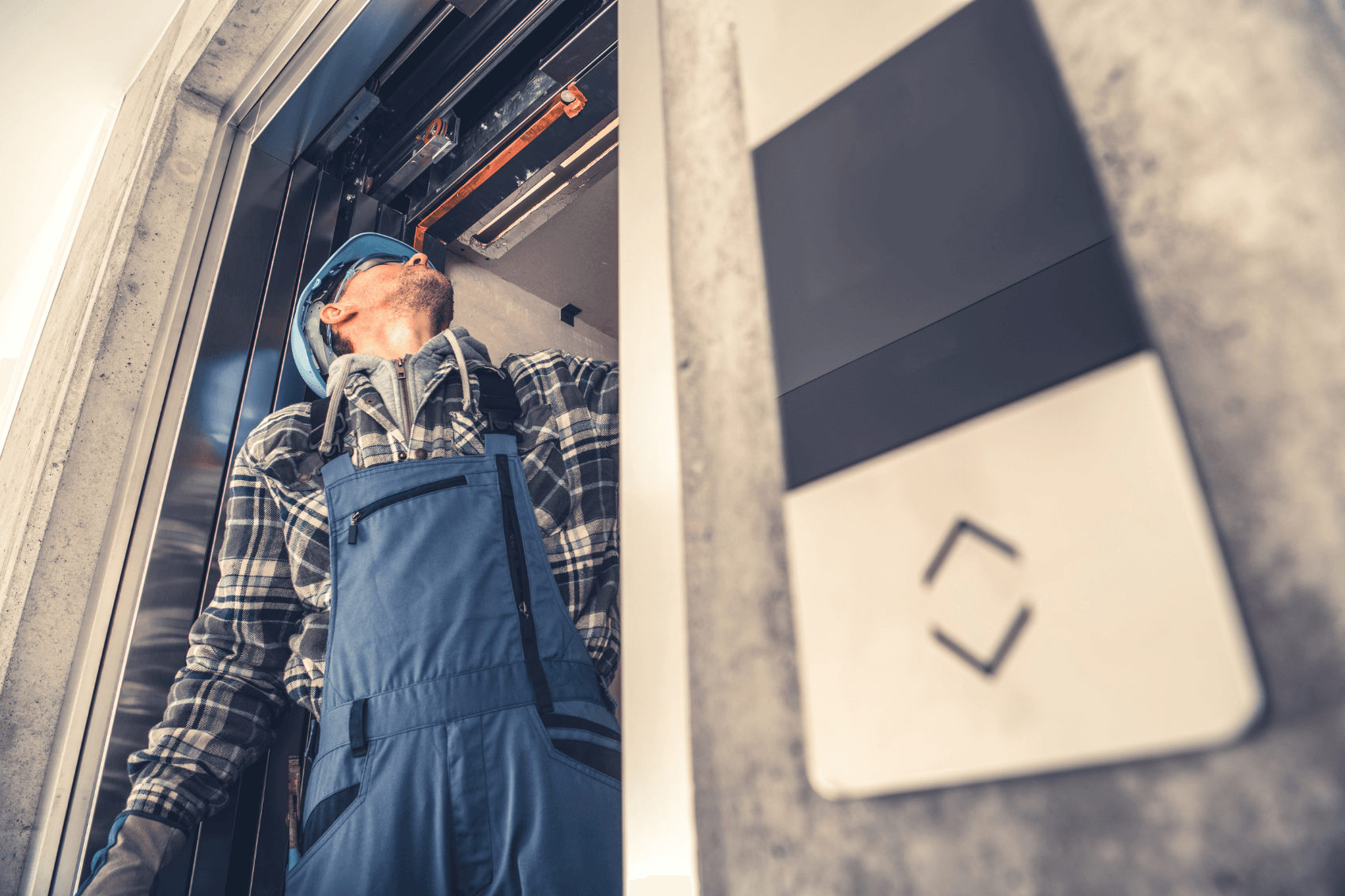
Elevator contractors involved in installation, servicing, maintenance, and repair require comprehensive insurance coverage to safeguard against the various risks associated with their work.
Commercial General Liability (CGL) Insurance for Elevator Contractors
Key Coverages:
- Bodily Injury to Third Parties: Covers incidents if a third party (e.g., a client, tenant, or bystander) is injured due to the executed work.
- Property Damage: Pays for repairs or replacements if the work accidentally damages a client’s building or equipment.
- Products and Completed Operations: Covers claims related to faulty installation or maintenance that causes harm after the job is done.
Example Scenarios:
- An elevator malfunctions due to improper installation, causing injury to a passenger.
- A contractor accidentally damaged the elevator shaft structure during installation.
- A poorly maintained elevator leads to an operational failure, resulting in a lawsuit.
Property Insurance for Elevator Contractors
Property insurance is essential for protecting tools, equipment, and business premises from damage or loss due to unexpected events.
Key Coverages:
- Tools and Equipment Coverage: Protects against theft, fire, and accidental damage to essential tools such as welding equipment, testing devices, and hoisting mechanisms.
- Business Premises Coverage: If the contractor owns a workshop or office, property insurance covers damage from fires, vandalism, or natural disasters.
- Inland Marine Insurance: Covers tools and equipment in transit or stored at job sites.
- Installation Floater: Protects materials and equipment being installed until the project is completed and handed over.
Example Scenarios:
- A fire in the storage facility destroys essential installation components.
- The work van carrying specialized tools is stolen overnight.
- A severe storm damages elevator parts waiting to be installed at a job site.
SWG Specialty’s Insurance Offer
SWG Specialty provides comprehensive insurance solutions tailored to the unique needs of elevator contractors. Our offerings include Commercial General Liability (CGL) Insurance and Property Insurance, ensuring that professionals in this high-risk field are adequately protected. By securing specialized insurance coverage, elevator contractors can focus on their work with peace of mind, knowing they are safeguarded against potential risks and liabilities.
The high-risk nature of the elevator installation industry in Canada necessitates specialized commercial insurance. With the market’s rapid growth and the significant volume of installations, having the right insurance coverage is essential for protecting both the contractors and their clients. SWG Specialty’s tailored insurance solutions provide the necessary protection, allowing elevator professionals to operate confidently and securely.
Want to know more? Neet a quote?
Reach out to our team.
Sources:
1. NMSC Report
2. Canadian Underwriter